
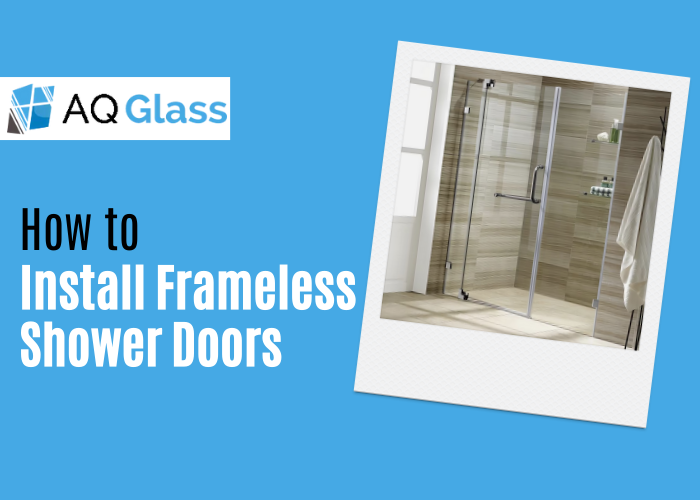
Frameless shower doors represent the pinnacle of bathroom elegance—clean lines, unobstructed views, and that luxurious spa-like aesthetic that instantly elevates any bathroom. But here’s what most installation guides won’t tell you upfront: this is one of the most precision-demanding DIY projects you’ll tackle. The margin for error is razor-thin, literally measured in millimeters. However, with meticulous preparation and the right approach, a determined DIYer can achieve professional results and save $500-$1,200 in installation costs.
I’m going to share everything I’ve learned from installing frameless doors in three different bathrooms, including the mistakes that cost me time and the techniques that made all the difference.
Why Frameless Shower Doors Are Different (And More Challenging)
Unlike framed doors where metal channels hide imperfections and provide structural support, frameless doors rely entirely on precise glass cuts, robust hardware, and perfect wall alignment. The glass is thicker (typically 3/8″ to 1/2″), heavier (often 80-150 pounds), and completely unforgiving of measurement errors. There’s nowhere to hide a gap or adjust for an out-of-plumb wall.
This is why preparation matters more than installation technique. I cannot stress this enough: 80% of a successful frameless door installation happens before you ever unbox the glass.
Critical Pre-Installation Assessment
Wall Condition Reality Check
Before you spend a dime on glass, evaluate your shower walls honestly. Press firmly against the tile or wall surface. Any flex or movement? That’s a deal-breaker. Frameless doors require solid backing—ideally wood blocking behind the tile where hinges and support bars will mount. If you have a fiberglass surround or hollow-core walls, you’ll need to reinforce or reconsider your approach.
Check for plumb using a 6-foot level on all walls where hardware will mount. Walls more than 1/4″ out of plumb over their height create serious problems. Don’t assume your shower opening is square either. Measure the diagonal distances from corner to corner—if they differ by more than 1/8″, your opening isn’t square, and you’ll need to account for this when ordering.
The Measurement Process That Actually Works
Most installation failures trace back to incorrect measurements. Here’s the professional method: Measure your shower opening width at three points—top, middle, and bottom. Record all three measurements because they’re probably different. Use the smallest measurement when ordering your door, then plan to use adjustable wall channels to accommodate the variance.
For height, measure from the top of your curb or threshold to the desired header height at both ends. Standard frameless doors run 72″ high, but you can customize this. Leave at least 1/2″ gap at the bottom for water drainage and floor irregularities.
Critically, identify exactly where your hinges will mount and verify there’s solid backing at those points. Hinges typically need to be mounted 5-7 inches from the top and bottom of the door. Mark these locations and drill small test holes to confirm you’re hitting solid material, not just hollow tile.
Choosing Your Hardware and Glass Configuration
Glass Thickness and Type
For most residential installations, 3/8″ tempered glass strikes the best balance between durability, weight, and cost. Half-inch glass looks more substantial and is more rigid, reducing flex, but it’s significantly heavier and requires beefier hardware. All shower glass must be tempered for safety—when it breaks, it shatters into small, relatively harmless pieces rather than dangerous shards.
Consider coating options. Standard clear glass shows water spots immediately. Low-iron glass (sometimes called “ultra-clear”) has a cleaner look without the greenish tint visible on standard glass edges. Protective coatings like EnduroShield or similar treatments create a hydrophobic surface that repels water and soap scum, making maintenance dramatically easier. After dealing with hard water spots for years, I consider protective coating non-negotiable.
Hardware Finish Strategy
Your hardware finish should complement, not clash with, existing bathroom fixtures. Brushed nickel, chrome, matte black, and oil-rubbed bronze are popular choices. Buy all hinges, handles, support bars, and wall channels from the same manufacturer in the same finish line to ensure perfect color matching. Mismatched finishes—even slightly different shades of “brushed nickel”—look amateurish and immediately apparent.
Essential Tools and Materials
The Complete Tool List
You’ll need specialized tools beyond basic DIY equipment:
- 6-foot level and 2-foot level for different applications
- Laser level (optional but incredibly helpful for long-distance alignment)
- Hammer drill with masonry bits (1/4″ and appropriate sizes for your anchors)
- Torque-limiting screwdriver or drill with adjustable clutch
- Glass-specific suction cup handles (absolutely essential—never attempt to maneuver heavy glass without these)
- Rubber mallet
- Measuring tape, square, and pencil
- Concrete anchors rated for your glass weight (typically #10 or #12 anchors)
- Silicone caulk (100% clear silicone, not acrylic)
- Isopropyl alcohol for cleaning surfaces
- Masking tape
- Shims in various thicknesses
- Safety glasses and work gloves
Material Preparation
When your glass arrives, inspect it immediately before the delivery crew leaves. Check every edge, every corner, and every drilled hole for chips or cracks. Run your hand along all edges to verify they’re properly polished. Reject any damaged panels on the spot—it’s exponentially harder to get replacements after signing off on delivery.
Let the glass acclimate to your bathroom temperature for 24 hours before installation, especially in extreme weather. Thermal shock can cause spontaneous breakage in tempered glass.
The Installation Process: Step-by-Step Precision
Phase 1: Wall Channel and Support Bar Installation
Start with the fixed panel’s U-channel (if your design includes one). This channel mounts to the wall and holds the stationary glass panel edge. Using your level, mark a perfectly plumb line where the channel’s inside edge will sit. This line is your master reference—everything else keys off this.
Apply a thin bead of clear silicone to the back of the channel before securing it. This creates a water barrier and fills minor wall irregularities. Use a torque-limiting driver set to low torque when driving screws into concrete anchors. Over-tightening cracks tile and strips anchor threads. Snug is sufficient—you’re compressing the silicone slightly, not cranking down with full force.
If you’re installing a header support bar across the top, this is the most critical alignment piece. It must be perfectly level, and both ends must be identically positioned relative to their respective walls. I use a laser level for this, projecting a level line across both walls simultaneously. Any deviation here creates a cascading alignment problem.
Phase 2: Setting the Fixed Panel
With a helper, lift the fixed panel using suction cup handles. Tilt it into the U-channel, ensuring it seats fully at the bottom. Before releasing your grip, verify it’s plumb in both directions using your level. Shim as needed at the bottom to achieve perfect plumb.
Once plumb, secure the panel using the setting blocks or clips provided with your hardware. Don’t rush this step. I check the plumb again after securing because shifting happens. If you’re using a top header, the glass typically has cutouts or clamps that secure it to the header bar. These should grip firmly but not over-tight—you’re securing glass, not building a deck.
Phase 3: Hinge Installation (The Make-or-Break Moment)
Hinge installation determines whether your door operates smoothly for years or becomes a constant headache. First, identify the exact hinge locations on the fixed panel. Most systems use two or three hinges spaced according to the manufacturer’s specifications.
Mount the hinge bracket to the fixed panel first, ensuring it’s perfectly perpendicular to the glass. Most brackets have set screws that tighten against the glass—these should be firm but not gorilla-tight. You’re creating friction grip, not deforming the bracket.
Before mounting the door panel to the hinges, do a critical dry-fit test. Have your helper hold the door panel in position as if it were hung. Check the gap consistency from top to bottom, verify the door will clear the curb when opening, and confirm the door edge aligns properly with the jamb when closed. Adjust hinge positions now while it’s easy—not after the door is hung.
When you’re satisfied with alignment, mount the door panel. Most frameless hinges use a pin or cam mechanism. Follow the manufacturer’s sequence exactly—some require you to loosen specific set screws before inserting the door, then tighten them in a particular order afterward.
Phase 4: Adjustment and Alignment
No frameless door installation goes perfectly on the first attempt. You’ll need to adjust. Quality hinges have adjustment screws that move the door in/out, up/down, and sometimes rotate it slightly. Make micro-adjustments—1/8 turn increments—testing the swing after each change.
Your goals are: consistent 1/8″ to 3/16″ gap along the door edge (use your fingers as a quick gauge), smooth operation through the full swing with no binding or scraping, proper seal against magnetic or sweep gaskets when closed, and the door staying put when left partially open (indicating proper weight distribution).
The door should swing freely with just a gentle push and come to rest without bouncing. If it swings too easily and doesn’t stay where you position it, the hinges may not be tight enough. If it requires effort to move, something is binding—usually from hinges that aren’t perfectly aligned.
Phase 5: Sealing and Finishing
Once operation is perfect, seal all hardware-to-wall and glass-to-wall joints with clear silicone. Use high-quality 100% silicone, not cheap acrylic “tub and tile” caulk. The proper technique: clean all surfaces with isopropyl alcohol first, apply a consistent bead of silicone, then immediately tool it with a wet finger or caulk tool. Work in sections to maintain a wet edge.
Tape off areas adjacent to where you’re caulking for clean lines. Remove tape immediately after tooling, before the silicone skins over. Let silicone cure for 24-48 hours before using the shower.
Install any sweeps, gaskets, or door handles according to manufacturer instructions. Door handles should be mounted at a comfortable height (typically 36-42″ from the floor) and aligned with hinge positions for balanced stress distribution.
Advanced Troubleshooting: Solving Common Problems
The Door Won’t Close Properly
This usually indicates hinge misalignment. Check if the door is hitting the jamb at the top or bottom first—whichever hits first is preventing full closure. Adjust the hinges to correct the angle. If the door closes but won’t seal, check that magnetic strips are properly aligned and not damaged.
Water Leakage
Frameless doors aren’t hermetically sealed like framed doors—some water migration is normal. However, excessive leakage typically occurs at: the bottom sweep (adjust or replace), the hinge side (add or adjust seals), or through gaps in your silicone work (re-caulk properly). Also verify your shower head isn’t aimed directly at door gaps.
The Door Feels Unstable or Wobbles
This indicates insufficient support, usually from improperly installed anchors or lack of solid backing. You may need to remove the hardware and reinstall with better anchors or relocate mounting points to find solid backing. This isn’t something you can adjust away—it requires remounting.
Glass Has Streaks or Spots After Installation
Remove all installation residue with glass cleaner before the first use. Silicone residue, fingerprints, and adhesive from protective film create spots. Once clean, squeegee after every shower and apply glass treatment products monthly to prevent hard water buildup.
Professional Secrets for Superior Results
The Pre-Drill Technique
When mounting hardware to tile, always pre-drill with a small bit first, then progressively larger bits until you reach final size. This prevents tile cracking from sudden stress. Use tape over the drill point to prevent bit walking, and drill on low speed with light pressure.
Weight Distribution Understanding
Frameless doors work on cantilever principles. The bottom hinge carries most of the door’s weight, while the top hinge primarily prevents the door from swinging outward at the top. This is why bottom hinge anchors are absolutely critical—they experience continuous shear force every time the door operates. Never skimp on bottom hinge installation quality.
The Shim Strategy
Keep various thickness shims handy throughout installation. Walls are rarely perfectly flat or plumb. Strategic shimming behind mounting brackets compensates for irregularities and ensures hardware mounts flush and level. I cut small pieces from plastic shim stock, which won’t compress or deteriorate like wooden shims.
Silicone Application Mastery
Less is more with silicone. A thin, well-tooled bead performs better than a thick glob. The goal is filling the gap, not creating a dam. Silicone should be barely visible when properly applied—if you can see large amounts, you used too much. Excess silicone collects soap scum and looks unprofessional.
Maintenance for Longevity
Your frameless door is now installed, but longevity requires proper care. Squeegee after every shower—this single habit prevents 90% of maintenance issues. Use only non-abrasive cleaners on glass; many common bathroom cleaners contain harsh chemicals that damage protective coatings and etch glass over time.
Tighten hinge set screws every six months. Normal use gradually loosens them, and catching this early prevents larger problems. Check all silicone seals annually and re-caulk any deteriorated areas immediately—small leaks become big problems when water penetrates behind tile.
Avoid slamming the door. Frameless doors rely on glass strength and precision hardware, not forgiving metal frames. Rough treatment shortens lifespan and can lead to spontaneous glass breakage from accumulated micro-fractures.
When to Hire a Professional Instead
Be honest with yourself about three things: your DIY skill level, your available help (you cannot do this alone), and your shower’s configuration. If your walls are significantly out of plumb, if you lack confidence working with heavy glass, if you have a complex neo-angle or custom configuration, or if you’re uncertain about wall backing quality, professional installation is worth every penny.
Good installers carry insurance that covers glass breakage and property damage—your homeowner’s policy probably doesn’t cover DIY project failures. They also have specialized tools and years of experience reading situations and making micro-adjustments that transform adequate installations into excellent ones.
The Bottom Line
Installing frameless shower doors successfully requires patience, precision, and respect for the materials. This isn’t a weekend project you rush through—budget two full days minimum, including prep work. But the result is spectacular: a showpiece bathroom feature that elevates your entire space and provides daily satisfaction every time you step into your shower.
The difference between professional-looking results and obvious DIY work comes down to attention to detail in the preparation phase, quality hardware selection, and meticulous installation execution. Take your time, follow manufacturer instructions religiously, and don’t compromise on critical steps like anchor selection or alignment verification.
When finished correctly, your frameless shower doors will operate smoothly, look stunning, and last for decades. And every time someone compliments your beautiful shower, you’ll have the quiet satisfaction of knowing you built that yourself.